



Water pollution: how can we avoid it?
Water pollution is one of the global problems we must prevent due to its consequences at various levels. This is a problem caused by several sources of pollution, which consequently impacts the aquatic environment.
Protecting marine life is one of the Sustainable Development Goals, and we will explain how EcoX Pro relates to some of the topics that help achieve these goals.
What exactly is water pollution? What are the types of pollution and how can we prevent them? How can we protect the aquatic environment and how does EcoX Pro make a difference in this area? Read on to find all the answers.
Water pollution
Water pollution, according to the World Wide Fund for Nature, occurs when certain toxic substances come into contact with water sources and dissolve in them, thereby harming water quality.
In addition to having negative impacts on the aquatic environment, the organisation argues that these pollutants also reach groundwater, which can lead to contamination of the water in our homes.
Types and causes of water pollution
There are three types of water pollution: chemical, physical, and biological, which stem from various sources of pollution. The main causes of pollution of this natural resource, mentioned by the Natural Resources Defense Council, are:
- Agriculture: This sector contributes to pollution due to the use of fertilisers, pesticides, and other waste
- Sewage and wastewater: All our waste can affect water quality if not properly treated
- Oil spill impact: This waste is also responsible for polluting waters
- Radioactive substances: These can persist in the environment for thousands of years and, if disposed of improperly, can affect groundwater, surface water, and aquatic environments.
What are the consequences?
All these activities or actions have consequences for our health and the environment.
Water contamination can lead to many deaths and the emergence of diseases such as cholera, diarrhoea, dysentery, typhoid fever, and polio, according to the World Health Organization.
"Globally, about 2 billion people use a drinking water source contaminated with faeces" – World Health Organization
Environmentally, water eutrophication and an increase in the death of various species due to chemical concentration can occur. Solid waste, such as plastic, also has a negative impact on this aquatic environment.
Moreover, the scarcity of potable water could become a reality in a few years.
"By 2025, half of the world's population will be living in water-scarce areas" - World Health Organization
EcoX Pro prevents water pollution
One of the purposes of point 14 of the Sustainable Development Goals, Protect Marine Life, is precisely to prevent and reduce marine pollution of all kinds. In addition, regulating resource extraction is another objective of this point.
"40% of the ocean is affected by pollution, fishing, coastal habitat loss, and other human activities" – United Nations Development Programme
One way to prevent water pollution is the proper recycling of an abundant waste product in Portugal that can have negative effects at various levels: used cooking oil.
Oil and water do not mix, which means that in aquatic environments, the layer of oil formed on the water hinders the entry of light and oxygen. This problem can lead to the death of various marine species.
And what can we do to reduce water pollution without stopping the use of cooking oil? We can recycle this waste by placing it in an oil collection point to later transform it into a primary necessity product.
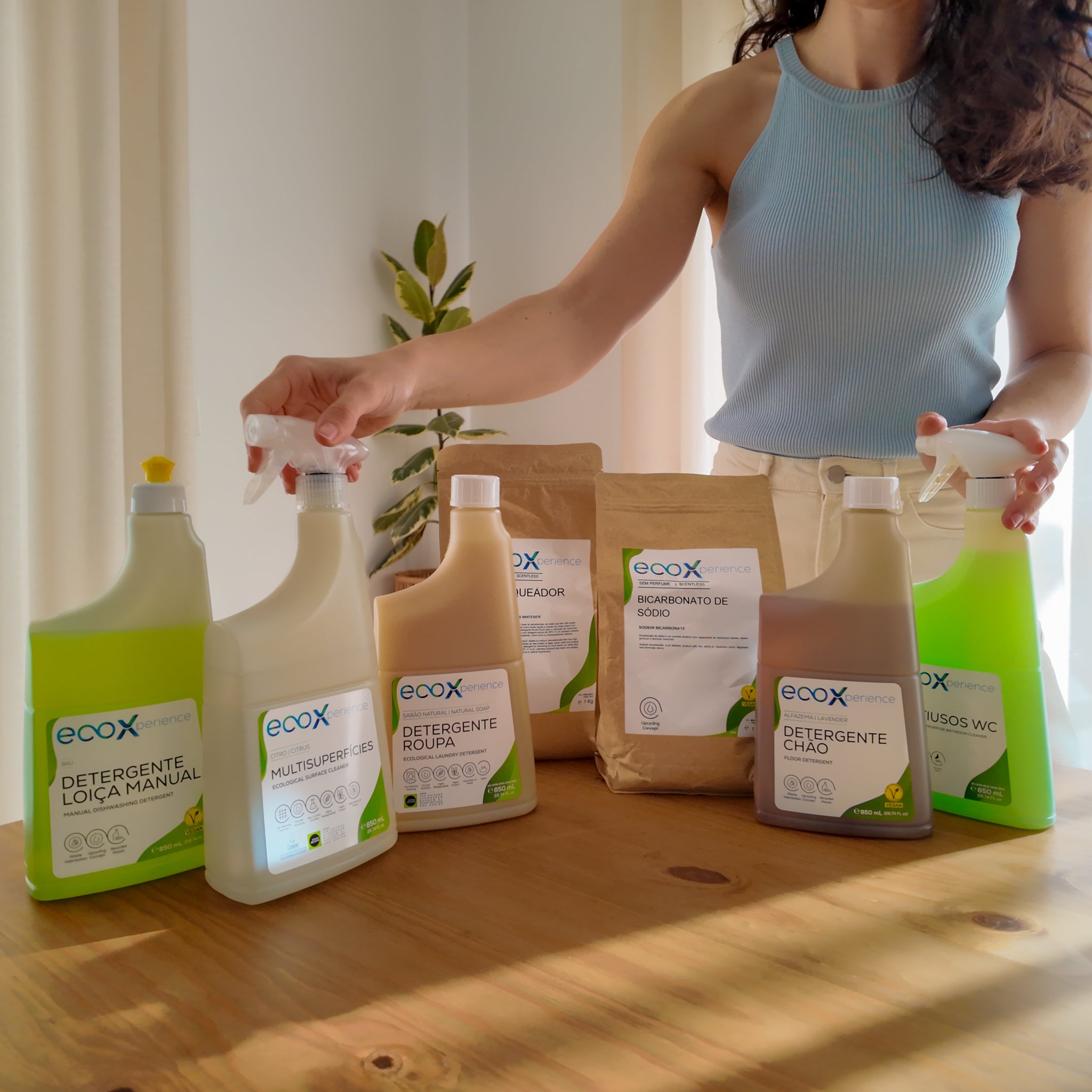
EcoX, through a distinctive formula, uses used cooking oil to transform it into upcycled detergents. To meet the needs of various institutions that produce this waste in large quantities, EcoX Pro was created for the professional sector, which not only allows for the collection of this waste for transformation but also offers competitive discounts on cleaning products.


