




Sustainable fashion: wear more environmentally friendly comfort
Have you ever wondered what the environmental impact of your clothes is?
The future of the fashion industry may be the production of pieces with more sustainable materials, but it is also necessary to change the design embedded in accelerated production and the logic of fast fashion .
The accelerated consumption of clothing has left huge marks on the environment: the degradation of the planet and the consumption of large quantities of non-renewable raw materials.
In this article you will learn what sustainable fashion is and the methods used to minimize the environmental impacts generated in the product manufacturing process.
What is sustainable fashion?
Sustainable fashion is concerned with using methods that minimize the environmental impacts arising from the manufacturing process of products. According to the Environmental Protection Agency, the textile industry is among the four types of industries that consume the most natural resources and pollute the most, favoring sociocultural inequality and the use of seasonal jobs in order to support the low cost of production.
There was a need to rethink the way the fashion industry produces, how society behaves from the point of view of global consumption and what the consequences are in terms of environmental impacts.
The extraction of large quantities of non-renewable natural resources in the production of fabrics and excessive consumption, as well as the disposal of used items, has consequences for pollution and degradation of nature.
There are many measures to reduce environmental impacts in the fashion industry. In manufacturing, companies can decide to extend the life of a garment by using fabrics that have a lower environmental impact, improving the finish of the garments and ensuring decent working conditions.
Forms of sustainable fashion
Sustainable fashion arises from the concern of combining conscious consumption and an ecological proposal. Some ways:
- Ethical Fashion: this form of sustainable fashion considers the full impact of the socio-cultural and environmental dimensions embedded in the design of a product. This movement questions the exploitation of clothing factory workers, who are often subjected to conditions similar to slave labor.
- Eco Fashion: considers environmental consequences at all stages of product development. Eco Fashion reduces resource consumption and, in its production logic, materials are chosen that help reduce the environmental impact during its life cycle. Some alternatives are the use of organic fabrics and production methods that minimize environmental contamination.
- UpCycle: this form of sustainable fashion is a trend that helps reduce waste by transforming end-of-life objects into new products.
- Slow fashion: is a practice that values the local over the global. It promotes environmental awareness and contributes to trust between producers and consumers. Slow Fashion is a sustainable form of production with the aim of reducing the amount of textile waste in landfills.
5 Tips for having a sustainable wardrobe
Sustainable fashion has been gaining more friends and, if you haven't started this friendship yet, we give you some tips to achieve this and make your wardrobe more sustainable.
- Conscious shopping: don’t buy clothes in excess or on impulse. In addition to spending more money, you are also indirectly contributing to the environmental impact through the manufacturing and transportation of the goods. Choose to buy timeless pieces that are essential for your wardrobe.
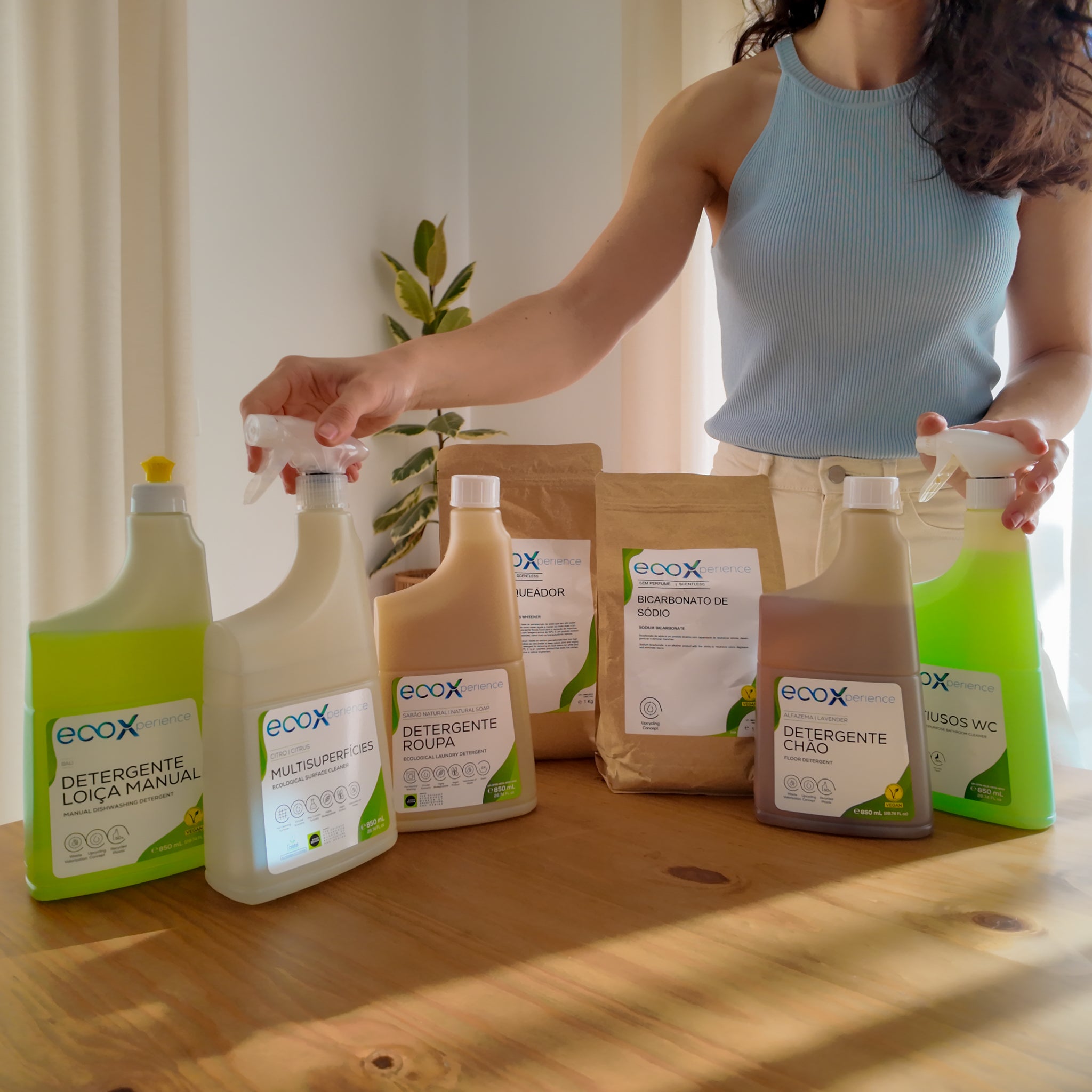
- Choose to wash your clothes in the washing machine: when you use your washing machine, make sure to fill it up and this way you will be saving electricity, water and detergent. Use laundry detergent and fabric softener for effective cleaning, with a wonderful scent and free from substances that are harmful to the environment.
- Clothesline: using clothes dryers means unnecessary electricity consumption. Portugal is a privileged country with a mild climate all year round, so if you have space at home, use clotheslines to dry your clothes naturally. Not only will you make your clothes last longer, you will also help the environment.
- What to do with old clothes or clothes that no longer fit: donate the items you no longer use. What no longer fits you can be used by someone else. MyCloma accepts used clothes, but in good condition, to give them a new life and a new home. Another option is to get together with your friends and swap items with each other. It's always good to refresh your wardrobe.
- Invest in organic clothing: give preference to clothing made from organic fabrics and with authentication seals. Despite the higher cost, they have a significantly lower impact on the environment during their production.
Footprint of our clothes
The textile industry is one of the most polluting, from the extraction of raw materials, production of garments, transportation and also the disposal of clothing. All of these stages have an environmental impact, particularly in terms of water consumption, soil erosion, carbon emissions and the resulting waste and waste.
We, as consumers, are buying 400% more clothes than we did 20 years ago. Driven by more affordable prices, we are buying more and more clothes and wearing them less often.
Environmental impacts are increasingly visible, but the fashion industry also has social impacts. In order to be competitive and sell at lower prices, the textile industry locates its production in countries with low labor costs and lax labor laws. Several studies reveal that working conditions in these countries are quite precarious and unsafe, with reports of abuse and violence.
Around 75 million people work in this industry, 80% of whom are women and 20% are men. However, the pay gap is very significant, with a 39% difference between women and men.

Fashion is an expression of our personal style and individuality. When we buy a piece of clothing from a particular brand, we are carrying the moral value of the brand. If that brand uses abusive labor in the production of its products and is not concerned about the environment, we should ask ourselves, as consumers, whether we should support that brand.
Is sustainable fashion already part of your wardrobe?


