




Natural and synthetic fibers: what is their impact?
Every day we touch or see natural and synthetic fibres without even realising it. But do we really know the difference and what types of fibres exist? And what are their environmental impacts?
In this article you will have the opportunity to learn about the differences and the impacts that some can have on the home we share, planet Earth.
What is the difference between natural and synthetic fibres?
Fibres can be natural or synthetic depending on how they are made or transformed. Let's understand the differences.
Natural fibres
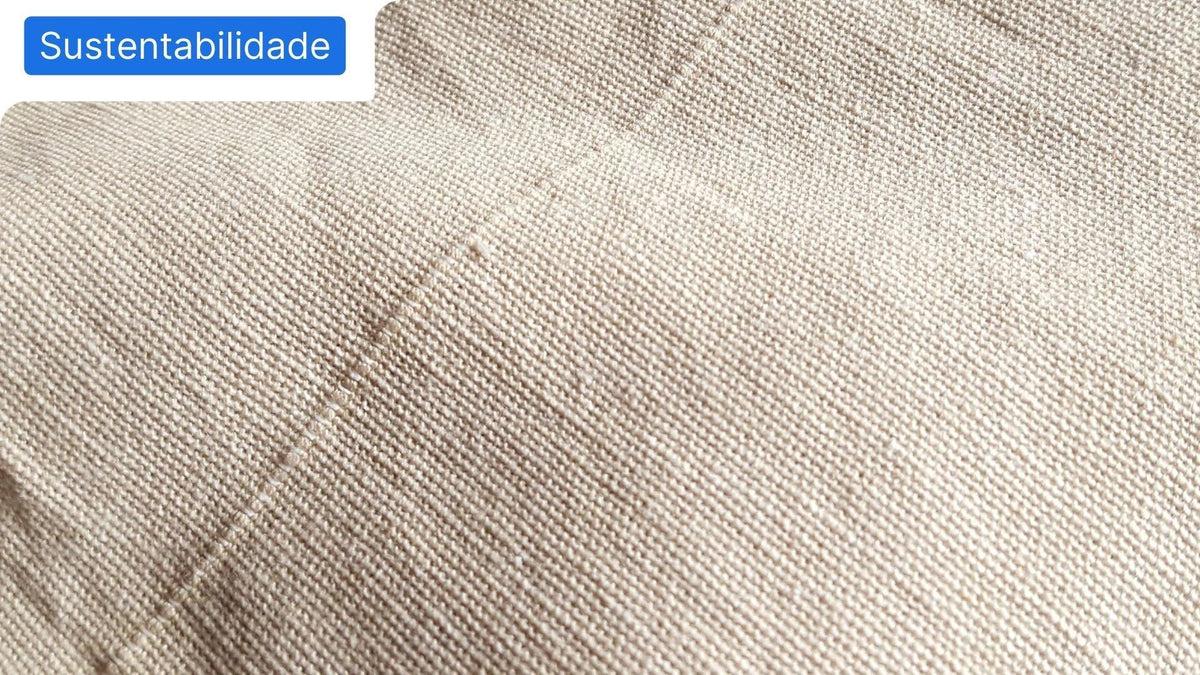
Natural fibres can be characterised as fibres made from natural materials that come from plants, animals or minerals. These materials are transformed into yarns that give rise to our fabrics.
Thus, natural fibres can be of animal or plant origin.
Examples of natural fibres
- Fibres of animal origin: silk and wool;
- Fibres of plant origin: cotton, linen and jute.
Synthetic fibres
Unlike natural fibres, synthetic fibres are made from chemicals derived from petrochemical products (oil or coal).
These chemical fibres can be divided into artificial, produced from cellulose, and synthetic, which derive from petrochemicals. Initially, they were developed with the aim of improving the properties of natural fibres and, with the increase in population and demand, they became a necessity.
Examples of synthetic fibres
- Polyester: made from polyethylene terephthalate;
- Rayon: derived from cellulose;
- Acrylic: made from a petrochemical product;
- Nylon: made from polyamide (a thermoplastic polymer).
As you can see, there are significant differences between natural and synthetic fibres not only in terms of their composition and extraction but also in terms of the possible consequences they can have on the environment.
What are the environmental impacts of synthetic fibres?
Synthetics account for 62% of all fibres produced globally. Furthermore, only 0.07% of synthetic fibre production is sustainable.
Because synthetic fibres are cheap and versatile, they enable the production of affordable textiles and fast fashion (European Environment Agency).
The global synthetic fibre market will grow even further by 2028, due to the increase in demand for clothing and accessories.

Water pollution
Through washing clothes, the synthetic fibres mentioned above end up in the oceans. A single load of laundry can release hundreds of thousands of fibres.
As plastics are insoluble in water and degrade slowly, it is estimated that around 10 million tonnes of plastic waste are released into aquatic environments globally every year, creating an accumulation of microplastic pollution.

Carbon emissions
Because synthetic fibres derive from oil, for example, this makes air and land pollution a reality. Globally, the production of these fibres consumes around 1% of crude oil production (48 million tonnes per year).
The following chart shows the environmental impacts throughout the life cycle of synthetic textiles.

It is important to note that natural and synthetic fibres each have their own impact. In this case, a comparison was made of the environmental and climate impacts between the most common synthetic fibres and cotton, which is a natural fibre.
Promoting sustainable fibre choices, controlling microplastic emissions, and encouraging reuse and recycling are important actions for the circularity of synthetic textiles.
In other words, synthetic fibres, like plastic, also pollute the environment. Therefore, it is important to ensure continuous reuse and, at the end of their life, they must be correctly recycled.
Author: Daniela Matos


